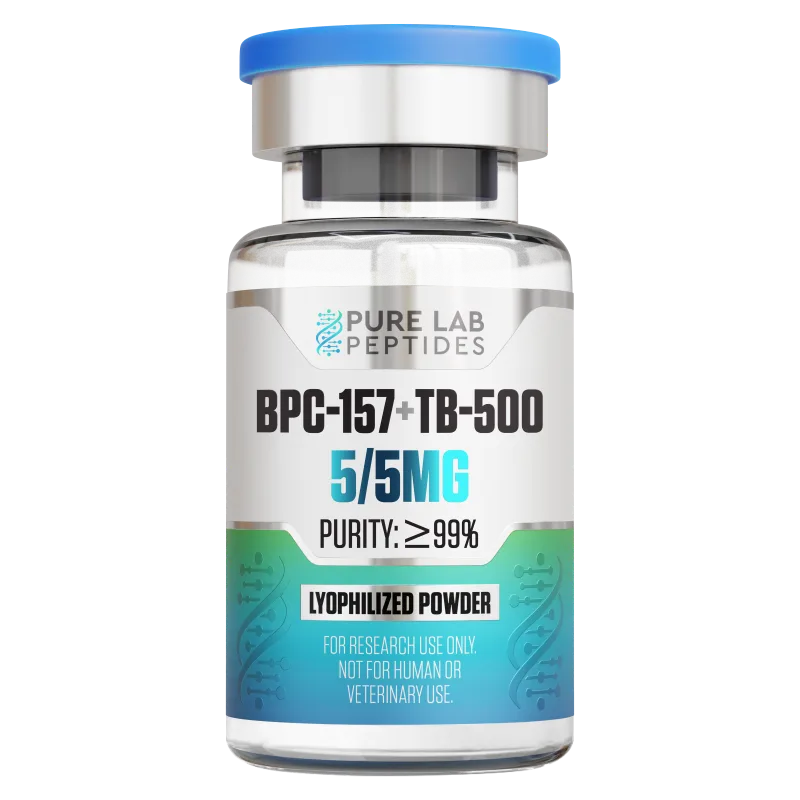
It contains a bacteriostatic preservative that helps inhibit the growth of bacteria after the vial has been opened, making it suitable for repeated laboratory use under controlled research conditions
In intranasal vitamin administration, rapid and reproducible absorption of hydroxocobalamin and cyanocobalamin have been observed
It is a coenzyme involved in cellular energy production
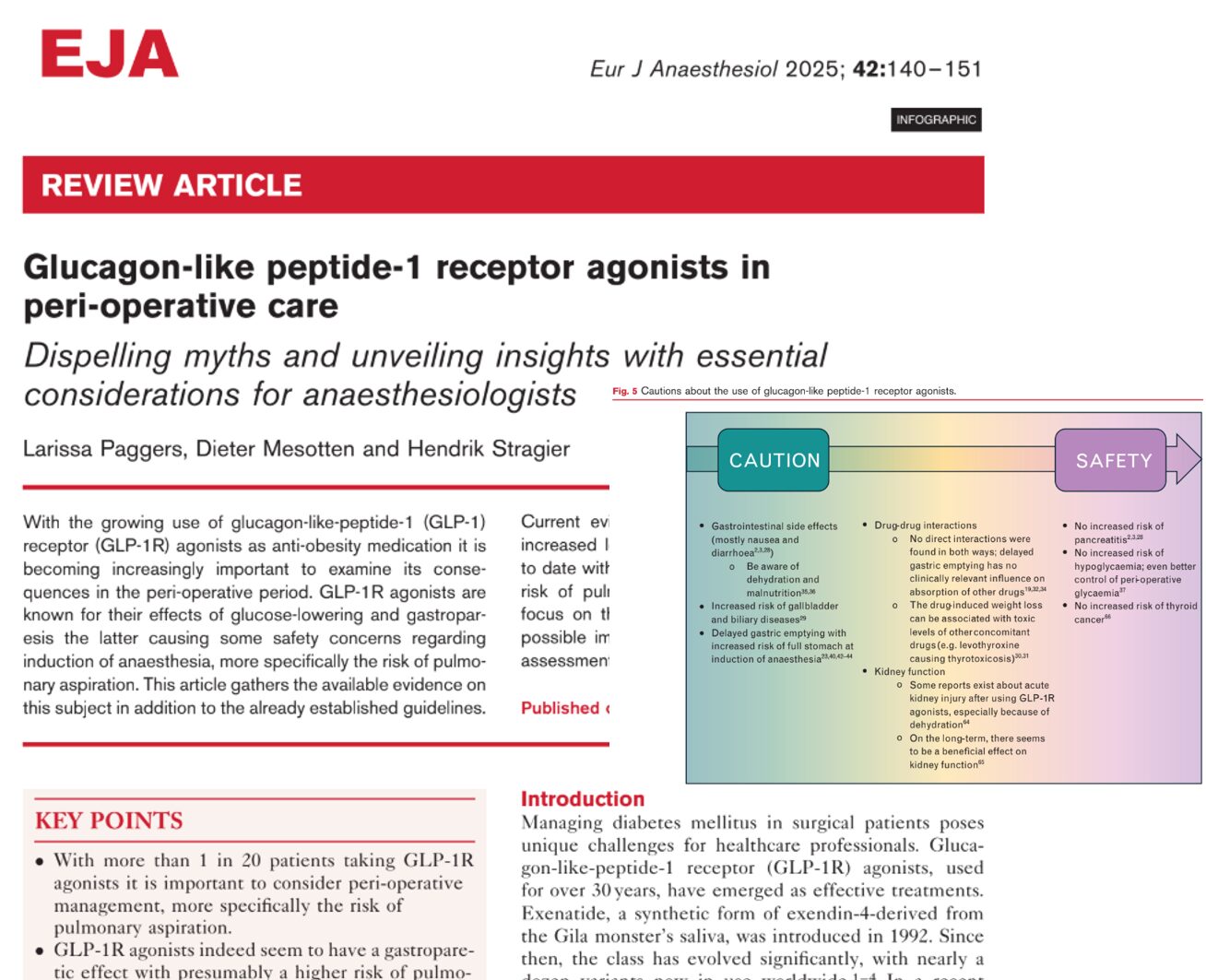
The glucagon component specifically promotes lipolysis, hepatic fatty acid oxidation, and elevated energy expenditure pathways that single and dual-agonist compounds do not directly modulate
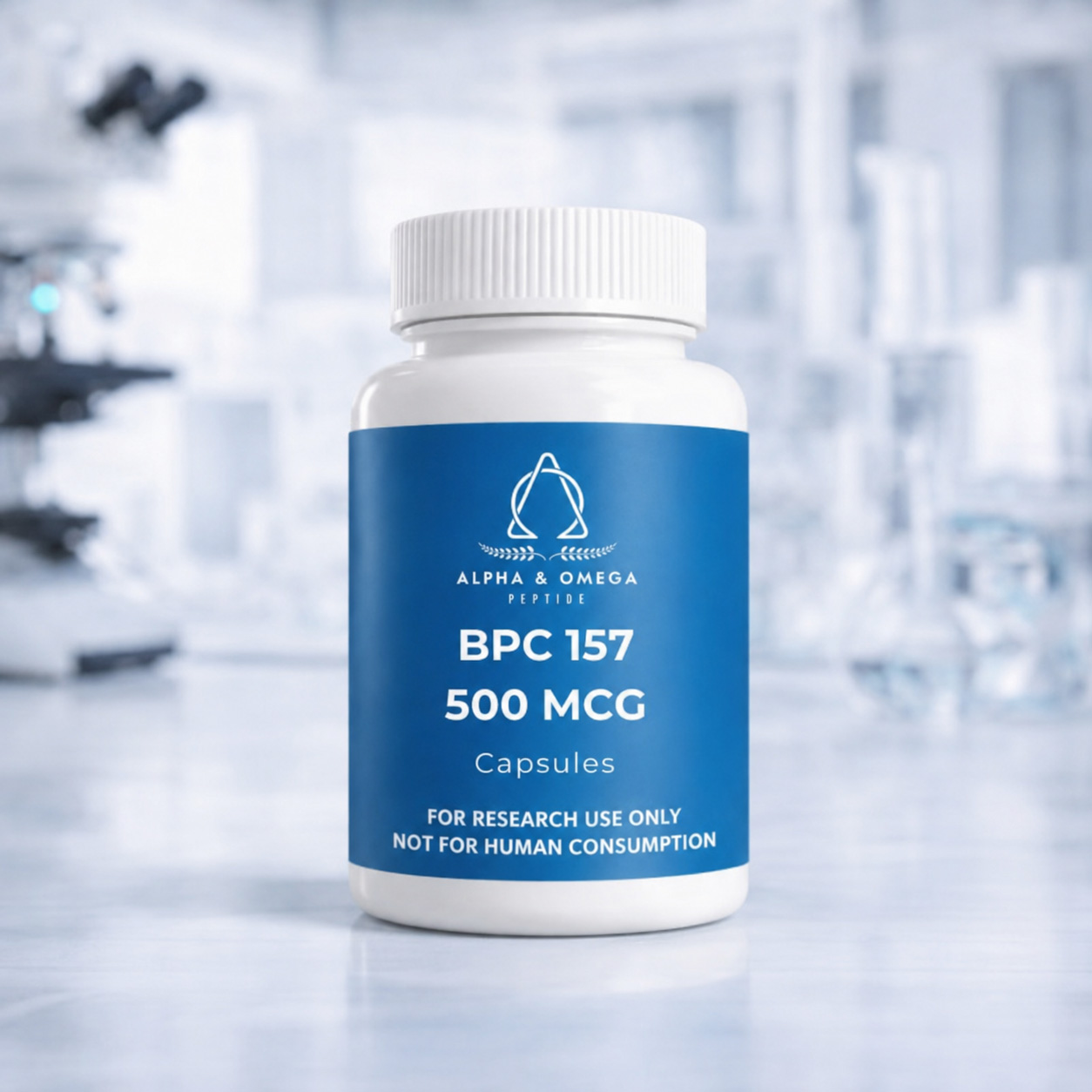
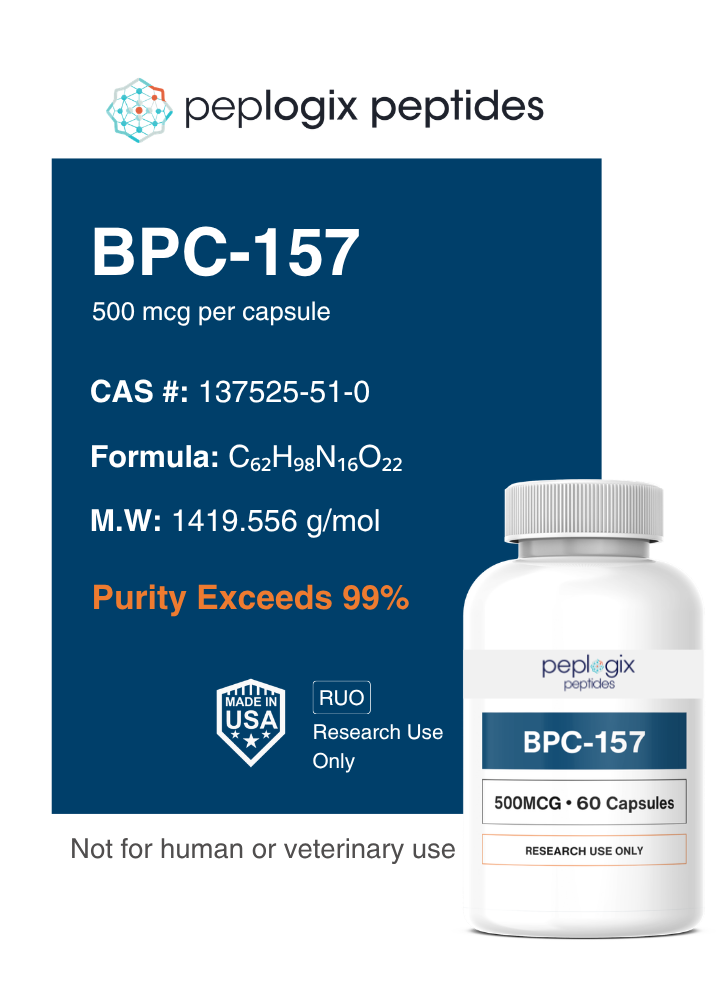
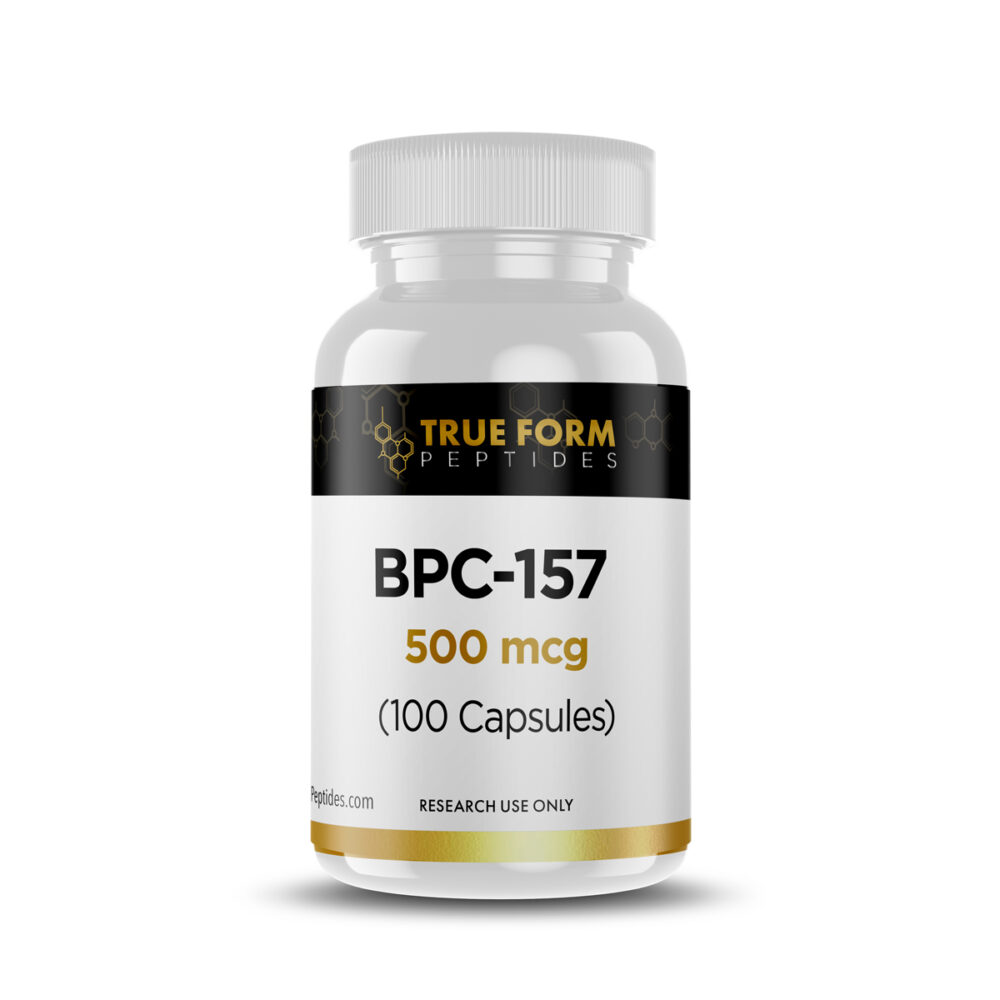
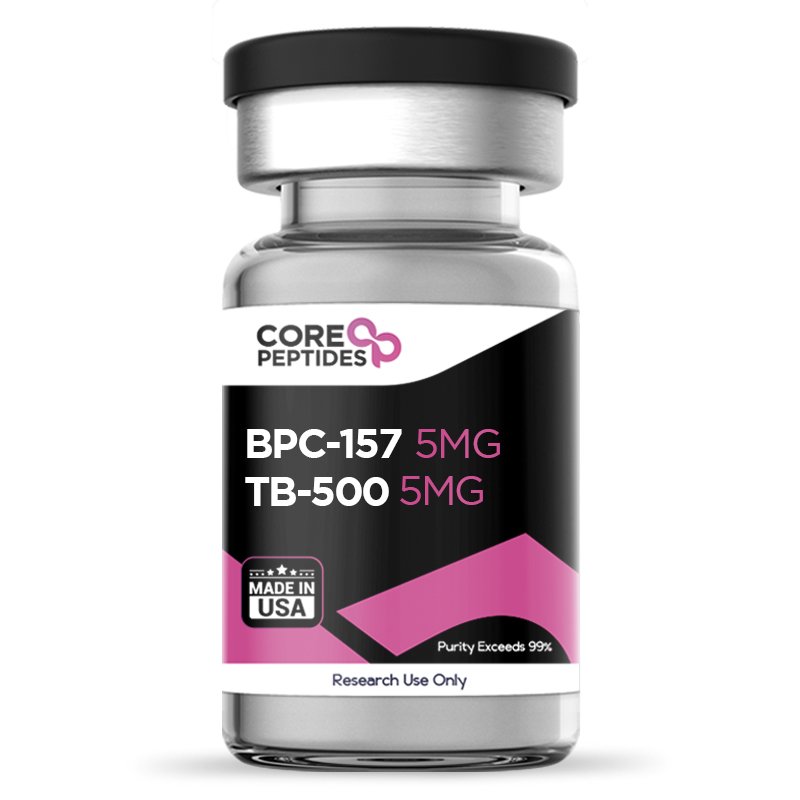
Benefits (Research Focus) Studied for tendon and ligament repair in connective tissue regeneration models Investigated for muscle healing and regenerative signaling after injury Explored for gastric and intestinal lining protection in GI research Examined for angiogenesis and new blood vessel formation in healing tissues Researched for fibroblast migration, collagen deposition, and nitric oxide pathway modulation What Researchers Look At Angiogenesis and vascularization endpoints in soft tissue recovery models Fibroblast migration, collagen synthesis, and wound closure rates Gastrointestinal mucosal integrity in NSAID and stress-induced injury models Tendon-to-bone healing and ligament reconstruction in surgical research Neuroprotective and anti-inflammatory signaling in preclinical research Quick Specs Form: Gelatin capsule Strength: 500 mcg / capsule (0.5 mg) Quantity: 30 capsules per bottle Salt Form: L-Arginine salt (stabilized for oral administration) Excipient: Microcrystalline cellulose (MCC) pharmaceutical-grade filler Purity: 99% Storage: Store in a cool, dry, dark place Identity Basics Compound: BPC-157 (Body Protection Compound-157) Synonyms: PL 14736