[15] [16] [18] Specific probiotic species have been studied for GLP-1 and metabolic support
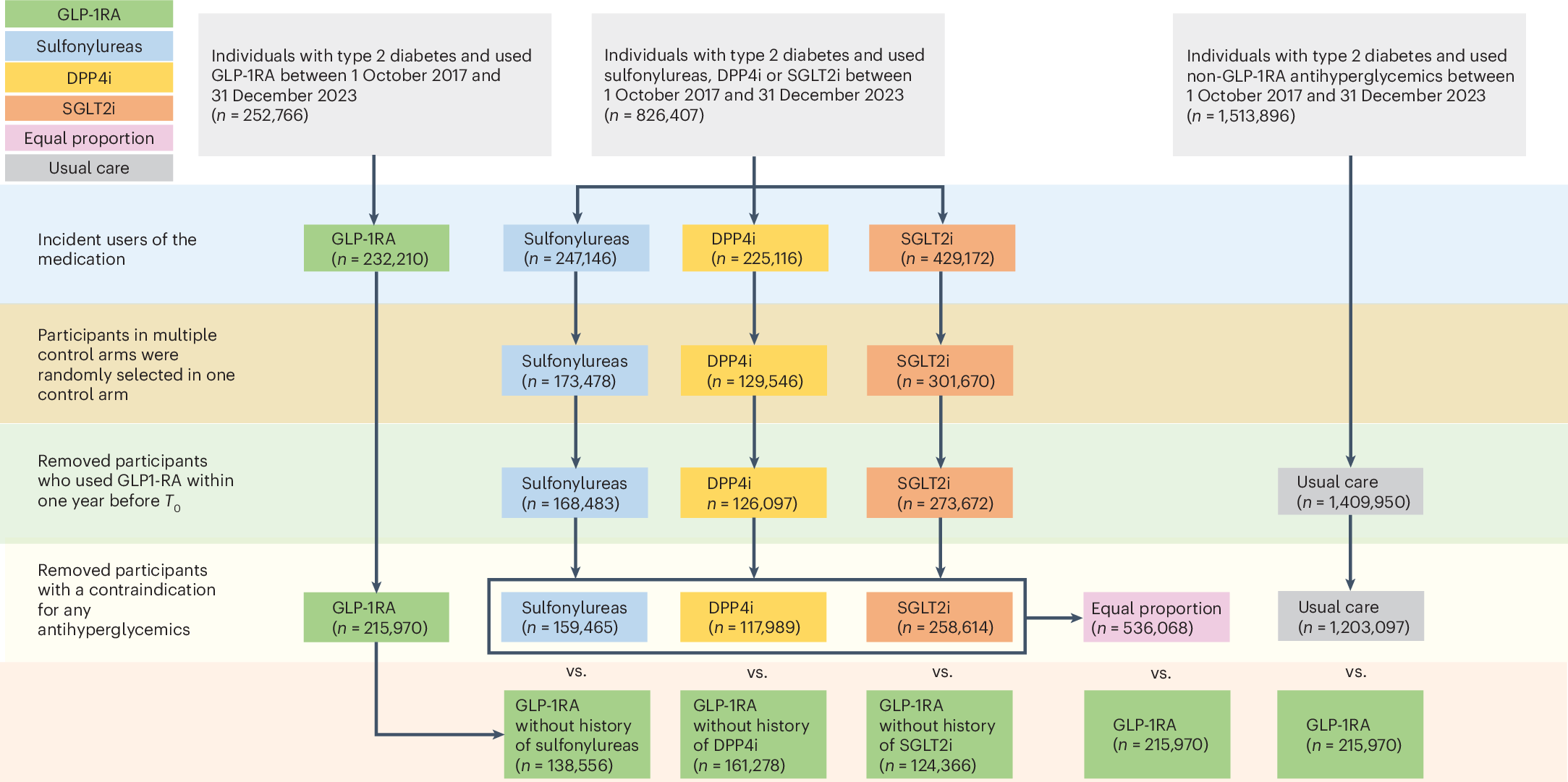
In fact, they were approved for treatment of type 2 diabetes in 2005
By supporting barrier integrity and reducing inflammation, these peptides may decrease autoimmune triggers originating in the gut
Supplementation with Pycnogenol improves signs and symptoms of menopausal transition
Common causes: MTHFR gene mutations (C677T, A1298C) reducing enzyme efficiency Vitamin B deficiencies (folate, B12, B6) preventing homocysteine recycling Kidney disease impairing homocysteine clearance Certain medications (methotrexate, antacids, metformin) Hypothyroidism Aging Health risks associated with high homocysteine: Cardiovascular disease damages blood vessel walls, promotes atherosclerosis Blood clots increases risk of DVT, pulmonary embolism, stroke Heart attack and stroke particularly when levels exceed 15 mol/L Pregnancy complications miscarriage, preeclampsia, neural tube defects Cognitive decline Alzheimers disease, dementia, memory problems Osteoporosis weakens bone structure Depression and mental health issues Treatment approach: Increase methylated B vitamins (methylfolate, methyl-B12, B6) Improve diet with folate-rich foods Address underlying deficiencies Support methylation pathways Monitor and reduce levels to optimal range (below 10 mol/L) The goal: Lower homocysteine by improving your bodys ability to process it efficiently
-1775582746855.png&w=3840&q=75)